Exploring Sustainable Weight Loss Programs for Long-Term Success
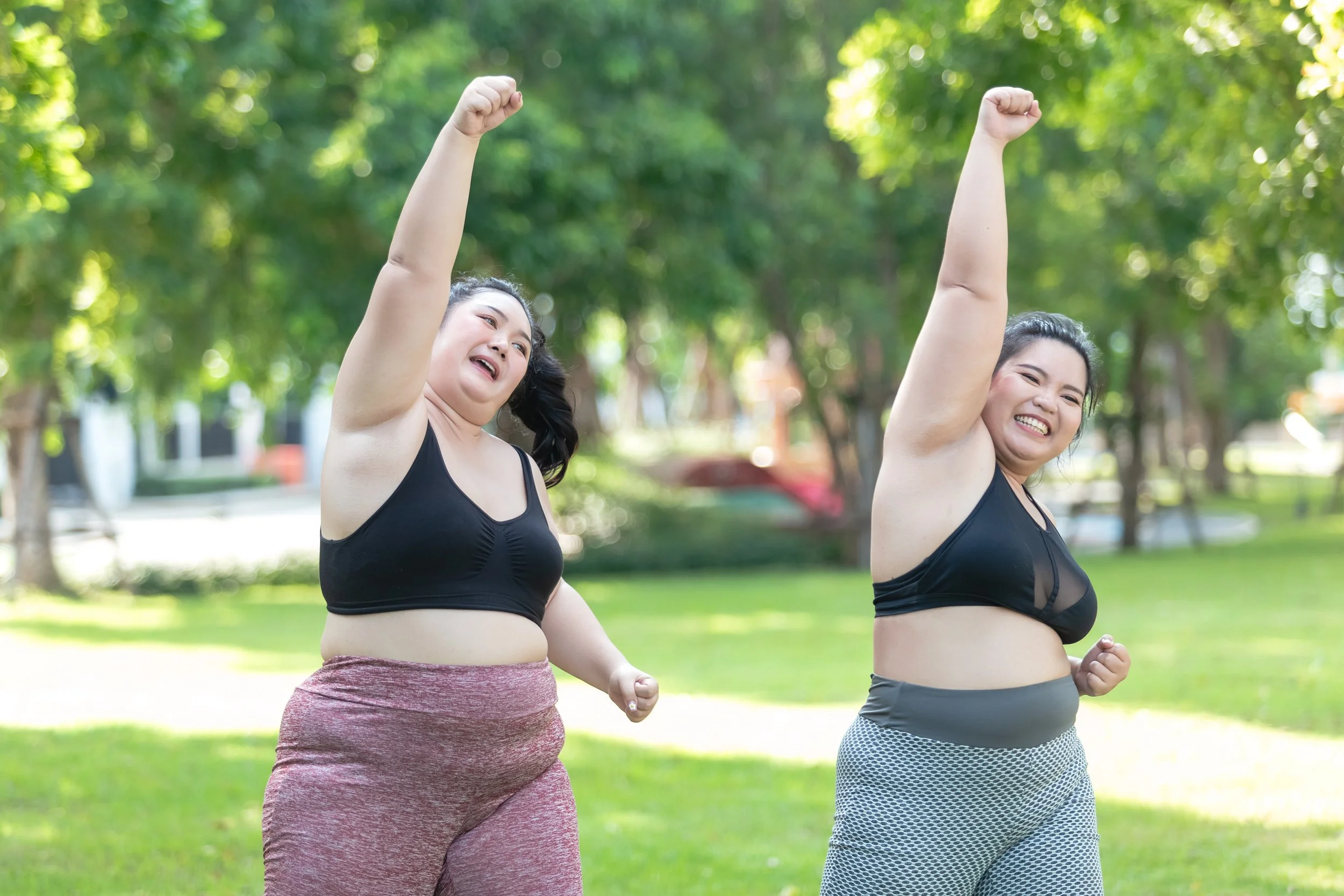
Weight loss is often seen as a sprint, a quick-fix solution promising dramatic results. But anyone who’s tried fad diets or extreme exercise plans knows that this approach rarely lasts. The key to long-term health and fitness is understanding the best way to lose weight: through sustainable habits, smart planning, and evidence-based weight loss programs that align with your lifestyle.
This guide will walk you step-by-step through practical strategies, program options, common pitfalls, and tools you can use to create a lasting transformation.
Understanding Sustainable Weight Loss
Before diving into programs and techniques, it’s important to define what sustainable weight loss really means. At its core, sustainability is about creating lifestyle changes that you can maintain over months and years, rather than weeks.
Key principles of sustainable weight loss include:
Consistency over intensity: Small daily habits accumulate more than occasional extreme efforts.
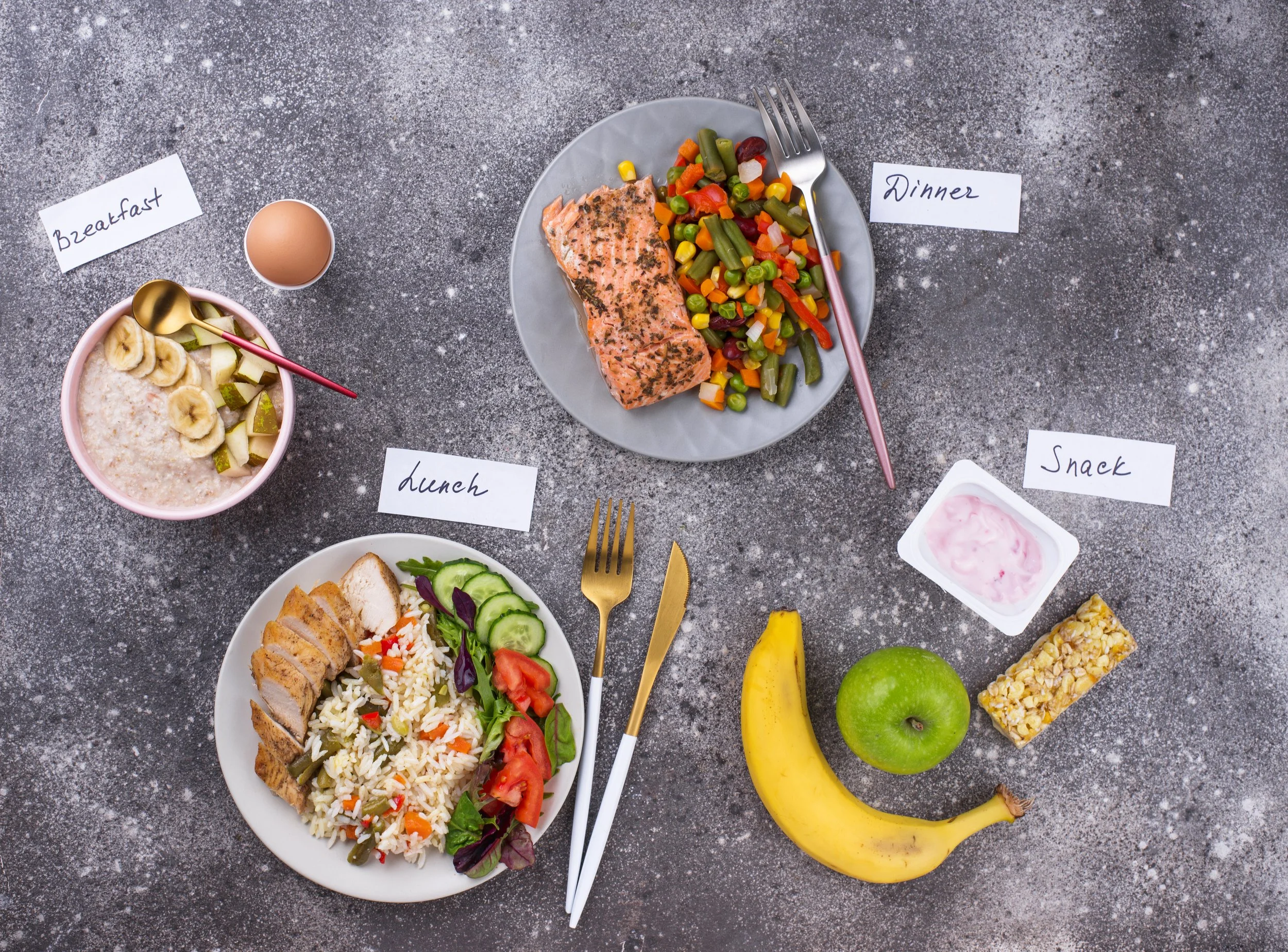
Balanced nutrition: No food groups are completely off-limits; focus on whole foods, portion control, and nutrient density.
Lifestyle integration: Exercise and meal planning should fit your schedule and personal preferences to avoid burnout.
Mindset and accountability: Tracking progress and staying motivated are essential for long-term adherence.
When your approach is sustainable, weight loss is gradual, typically 0.5 to 1 kg per week but more likely to remain off permanently.
Guide to Achieving Sustainable Weight Loss
Here’s a practical, step-by-step approach to losing weight without extreme dieting or temporary fixes.
Assess Your Current Habits
Track your daily food intake and activity for one week.
Identify patterns such as late-night snacking or skipped meals.
Tools/Resources: MyFitnessPal, Cronometer, or a simple journal.
Set Realistic Goals
Focus on achievable targets: e.g., losing 5–10% of body weight over 3–6 months.
Use SMART goals (Specific, Measurable, Achievable, Relevant, Time-bound).
Choose a Weight Loss Program
Not all programs are created equal. Look for programs emphasizing:
Balanced macronutrients
Flexibility in food choices
Behavior change techniques
Programs like behavioral therapy-based plans, medically supervised diets, or app-driven tracking programs can help ensure success.
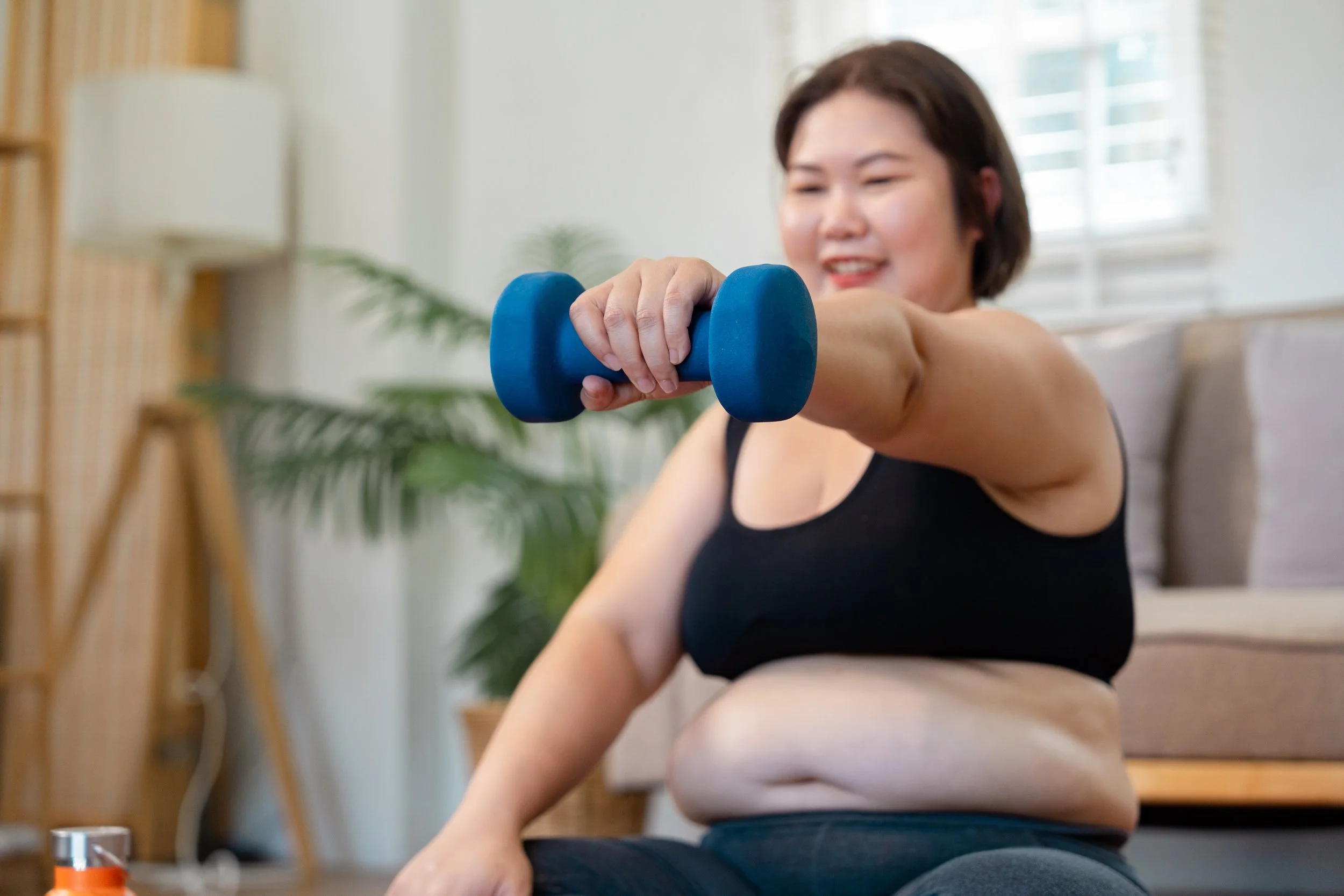
Incorporate Physical Activity
Combine cardio, strength training, and daily movement.
Start with 150 minutes per week and gradually increase intensity.
Monitor Progress and Adjust
Track weight, measurements, and fitness improvements.
Adjust calorie intake or activity based on trends, not daily fluctuations.
Prevent Relapse
Create a maintenance plan with ongoing monitoring.
Reinforce positive habits with social support and self-rewards.
Common Mistakes to Avoid
Even with the best intentions, people often sabotage their progress. Avoid these pitfalls:
Chasing rapid results: Extreme diets can backfire and harm metabolism.
Neglecting mental health: Stress and sleep deprivation significantly affect weight management.
Skipping strength training: Muscle mass boosts metabolism and prevents weight regain.
Relying solely on apps or gadgets: They’re helpful, but behavior change requires consistent effort.
Types of Sustainable Weight Loss Programs
Here’s a breakdown of popular approaches backed by research:
Behavioral Weight Loss Programs: Focus on mindset, habit formation, and accountability. Often include coaching or group sessions.
Medically Supervised Plans: Include nutritionists, meal replacements, or medications for those with higher BMI or medical conditions.
Digital Programs & Apps: Offer personalized meal plans, tracking tools, and community support.
Fitness-Focused Programs: Emphasize structured exercise plans alongside nutrition guidance.
Each program works best when tailored to individual needs, preferences, and lifestyle.
Tools and Resources for Success
Sustainable weight loss is easier with the right tools:
Tracking Apps: MyFitnessPal, Lose It!, or FitBit for food and activity tracking.
Community Support: Online forums, fitness groups, or accountability partners.
Professional Guidance: Registered dietitians, certified trainers, or behavioral coaches.
Educational Resources: Reliable books, podcasts, and webinars on nutrition and habit formation.
Making Sustainable Weight Loss Your Lifestyle
Ultimately, the best way to lose weight is not a one-size-fits-all method. It’s a commitment to understanding your body, choosing programs and habits that suit you, and making slow, consistent progress.
By integrating small daily changes, staying accountable, and leveraging supportive programs, you can achieve real results and maintain them. Remember, weight loss is a marathon, not a sprint, and long-term success comes from making choices that are both effective and enjoyable.
If you’re ready to take control of your health and finally achieve lasting results, The Balanced Life is here to help. Our personalized weight loss programs are designed to fit your lifestyle, focusing on sustainable habits that truly work. By booking an appointment with our experienced team, you’ll receive expert guidance, tailored nutrition plans, and ongoing support every step of the way. Don’t let another day go by feeling frustrated or stuck with ineffective diets. Take the first step toward a healthier, more confident you today. Schedule your consultation at The Balanced Life and start your journey to sustainable weight loss now.