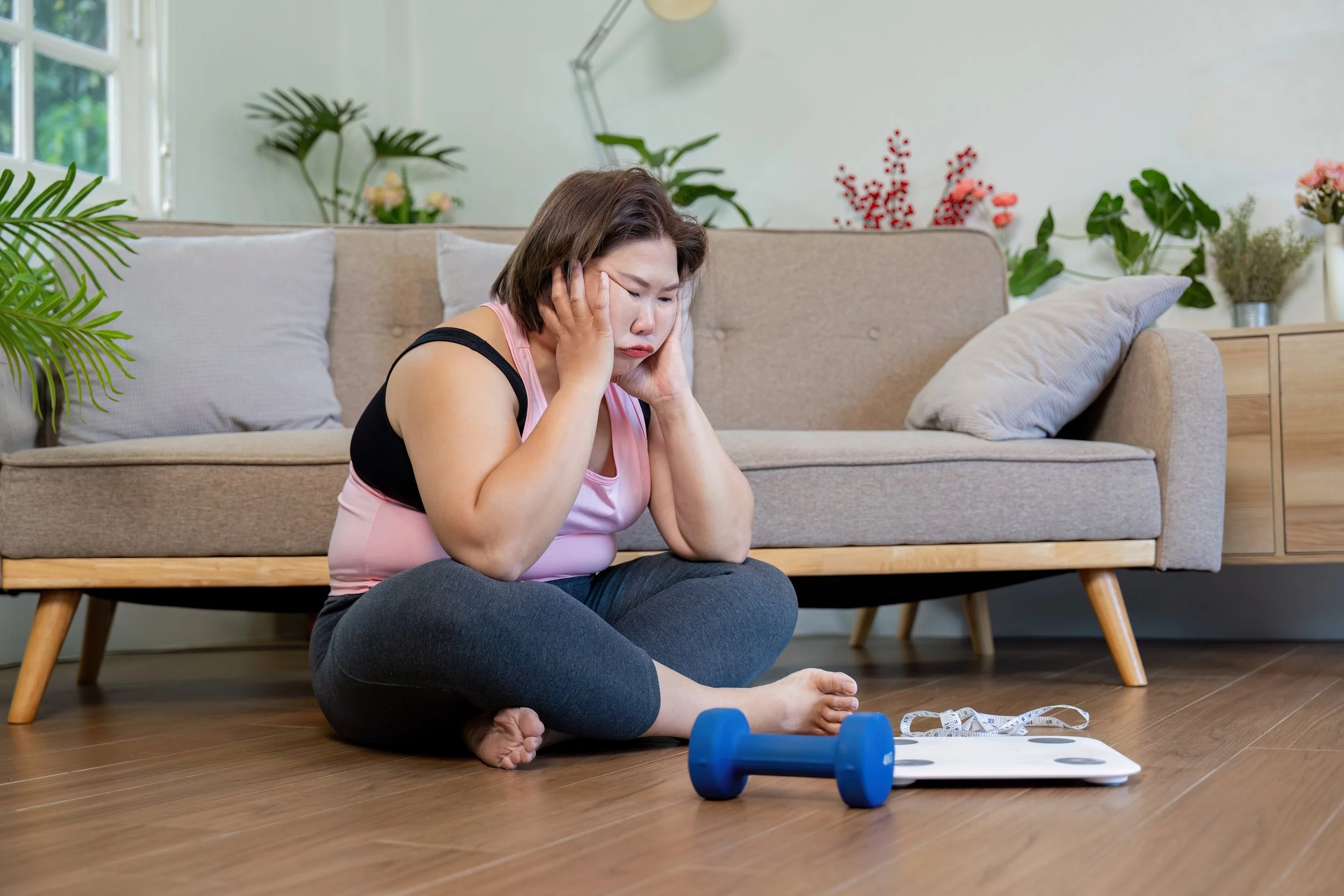
For many people, weight loss starts with motivation and ends with frustration. Strict diets, exhausting workouts, and unrealistic expectations often create a cycle of quick results followed by burnout and weight gain. The truth is, the best way to lose weight is not about extremes, it's about creating habits that are realistic, healthy, and sustainable for the long term.
Modern research continues to show that sustainable changes in nutrition, movement, sleep, and stress management are far more effective than short-term “crash” methods. According to the Centers for Disease Control and Prevention (CDC), gradual lifestyle adjustments are more likely to produce long-lasting results than rapid weight loss plans.
Today, many people are also turning to virtual wellness programs and structured online support systems to make healthy living more manageable in busy daily life. These approaches offer flexibility, accountability, and personalized guidance without requiring constant in-person appointments.
This guide explores how to lose weight in a way that protects your energy, supports your metabolism, and helps you maintain results without feeling deprived.
Why Most Weight Loss Plans Fail
One of the biggest misconceptions about weight loss is the belief that faster always means better. In reality, aggressive dieting can place significant stress on the body and mind.
Many traditional diet plans involve:
Severe calorie restriction
Excessive exercise routines
Eliminating entire food groups
Unrealistic “perfect eating” standards
Short-term motivation without long-term structure
These methods may produce temporary results, but they are difficult to maintain. Over time, the body adapts by slowing energy expenditure, increasing hunger hormones, and reducing motivation. This is one reason many people regain the weight they lost.
Research from the National Institute of Diabetes and Digestive and Kidney Diseases (NIDDK) explains that healthy weight management should focus on gradual progress and consistent behavioral changes rather than rapid dieting.
Burnout also affects mental health. Constant restriction can create guilt around food, anxiety about eating, and an unhealthy relationship with exercise. Sustainable health should improve quality of life, not control it.
The Best Way to Lose Weight: Focus on Sustainability
The best way to lose weight is building habits that you can continue for years, not just weeks. Sustainable progress often looks slower, but it creates more stable and realistic outcomes.
1. Stop Chasing Perfection
Perfection is one of the fastest paths to burnout. Missing one workout or eating one indulgent meal does not erase progress. Consistency matters more than intensity.
Healthy weight loss comes from repeated positive behaviors such as:
Eating balanced meals most of the time
Staying physically active regularly
Sleeping adequately
Managing stress effectively
Maintaining realistic expectations
People who focus on long-term consistency tend to maintain results more successfully than those following extreme plans.
2. Build Balanced Nutrition Habits
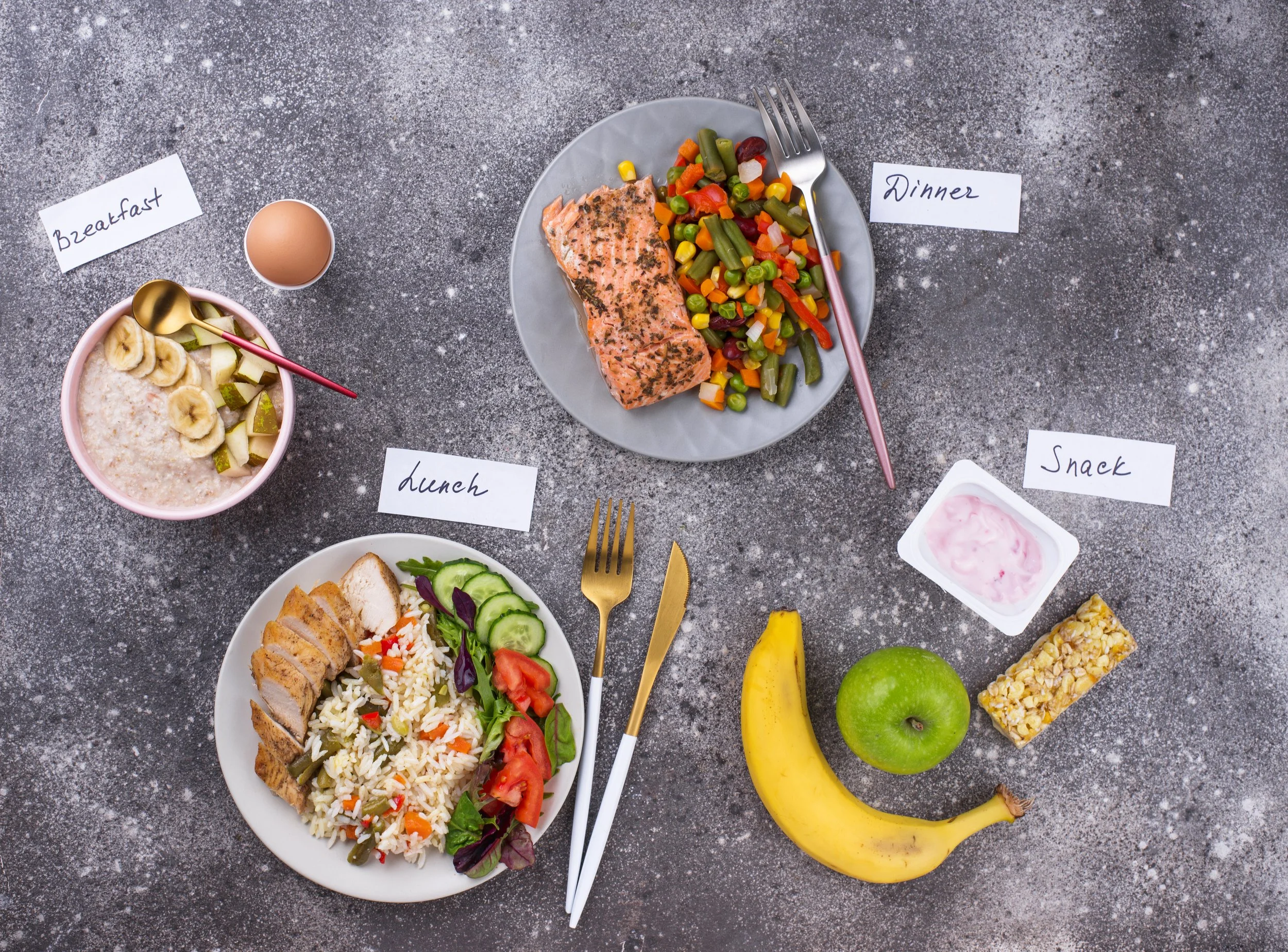
Instead of cutting out entire food groups, focus on creating balanced meals that support fullness and energy.
A healthy plate often includes:
Lean protein
Fiber-rich vegetables
Healthy fats
Complex carbohydrates
Adequate hydration
Avoiding “all-or-nothing” thinking can also reduce binge eating behaviors and emotional exhaustion.
3. Exercise Without Exhaustion
You do not need punishing workouts to lose weight effectively.
Many people believe they must spend hours exercising every day, but sustainable fitness focuses on consistency and enjoyment. Walking, resistance training, cycling, swimming, yoga, and low-impact workouts can all support fat loss and overall health.
The World Health Organization (WHO) recommends regular moderate physical activity because it supports cardiovascular health, metabolism, energy levels, and mental well-being.
Choose movement that feels realistic for your lifestyle. The most effective workout plan is the one you can maintain.
Common Mistakes That Lead to Weight Regain
Understanding what causes weight gain can help you avoid repeating the cycle.
Mistake #1: Following Unsustainable Diets
Highly restrictive plans may temporarily lower the number on the scale, but they often increase cravings, fatigue, and emotional stress.
Mistake #2: Ignoring Sleep and Stress
Poor sleep and chronic stress can affect hormones linked to appetite and metabolism. High stress levels may also increase emotional eating and reduce motivation for healthy habits.
The Sleep Foundation highlights the strong relationship between sleep quality and healthy weight regulation.
Mistake #3: Relying Only on Motivation
Motivation changes daily. Systems and routines create consistency.
Meal preparation, scheduled workouts, hydration goals, and accountability support long-term success even during busy or stressful periods.
How Technology Is Changing Sustainable Weight Loss
Digital healthcare tools are making personalized support more accessible than ever before. Many people now benefit from a structured remote metabolic health program that combines medical guidance, nutrition coaching, lifestyle tracking, and virtual accountability.
These programs can help individuals:
Monitor health progress remotely
Receive personalized nutrition recommendations
Track activity and habits consistently
Access professional support from home
Build healthier routines with flexibility
As healthcare continues evolving, virtual care models are helping people maintain healthier lifestyles without disrupting work or family responsibilities.
In addition, many modern virtual wellness programs integrate behavioral coaching, stress management, fitness guidance, and nutritional education into one accessible platform.
This shift toward personalized and flexible care is making sustainable weight loss more realistic for individuals who previously struggled with traditional approaches.
Sustainable Weight Loss Is About More Than the Scale
One of the biggest mindset shifts in long-term wellness is understanding that health improvements go beyond body weight.
Successful lifestyle changes often improve:
Energy levels
Sleep quality
Mental clarity
Blood sugar balance
Cardiovascular health
Confidence and self-esteem
Daily mobility and strength
True sustainable weight loss supports both physical and mental well-being rather than creating additional stress.
Tracking non-scale victories can help maintain motivation during periods when weight loss slows naturally.
Examples include:
Feeling stronger during workouts
Cooking more meals at home
Improving stamina
Reducing emotional eating
Maintaining healthier routines consistently
Traditional weight loss methods often focus on extreme calorie restriction, rapid results, and intense workout routines that can be difficult to maintain long term. Many traditional diet culture approaches label foods as strictly “good” or “bad,” creating an unhealthy relationship with eating and encouraging short-term dieting cycles. These methods frequently rely on temporary motivation alone, which can lead to burnout, frustration, and eventual weight regain. In many cases, individuals attempt to manage their health in isolation without consistent guidance or support.
Modern sustainable wellness approaches take a very different path. Instead of focusing on quick fixes, they emphasize balanced nutrition, realistic movement habits, and long-term health improvement. Flexible healthy eating patterns allow people to enjoy food without guilt while building routines they can maintain for years. Rather than depending solely on motivation, sustainable strategies prioritize consistent systems, healthy habits, and accountability. Many individuals now benefit from coaching, education, and personalized support through wellness professionals or digital health programs that make maintaining healthier lifestyles more achievable and less overwhelming.
Modern wellness strategies recognize that lasting success comes from behavior change, education, and personalized support rather than quick fixes.
Practical Daily Habits That Actually Work
If you want results that last, focus on small habits that compound over time.
Simple habits to start today:
Prioritize Protein
Protein can support fullness and muscle maintenance during weight loss.
Walk Daily
Even moderate daily movement improves overall health and calorie expenditure.
Improve Sleep
Aim for consistent sleep schedules whenever possible.
Stay Hydrated
Water intake may help regulate appetite and energy levels.
Plan Ahead
Meal planning and structured routines reduce impulsive decisions.
Track Progress Realistically
Focus on weekly trends instead of daily fluctuations.
These small actions may seem simple, but consistency over months creates meaningful long-term results.
The Future of Weight Management
Healthcare professionals increasingly recognize that obesity and metabolic health are complex issues influenced by genetics, lifestyle, stress, sleep, hormones, and environment.
This is why personalized care models including remote metabolic health program solutions are becoming more common.
People want flexible systems that fit real life, not rigid plans that feel impossible to maintain.
The future of wellness will likely continue emphasizing:
Preventive healthcare
Personalized coaching
Remote accessibility
Behavioral health support
Sustainable lifestyle habits
Data-driven wellness tracking
These innovations are helping individuals create healthier routines while avoiding the exhaustion commonly associated with traditional dieting.
Final Thoughts
The best way to lose weight is not the fastest method, it is the method you can realistically maintain without sacrificing your mental and physical well-being.
Healthy, lasting progress comes from sustainable habits, balanced nutrition, consistent movement, proper recovery, and supportive systems that fit your lifestyle. Quick fixes may promise dramatic results, but long-term success is built through patience and consistency.
By focusing on sustainable weight loss instead of short-term dieting, you can create healthier routines that support your body for years to come.
Whether through healthier daily habits, professional guidance, or modern virtual wellness programs, lasting wellness becomes far more achievable when the goal shifts from perfection to sustainability.