Medical Fat Loss Injections: Are They Right for You?
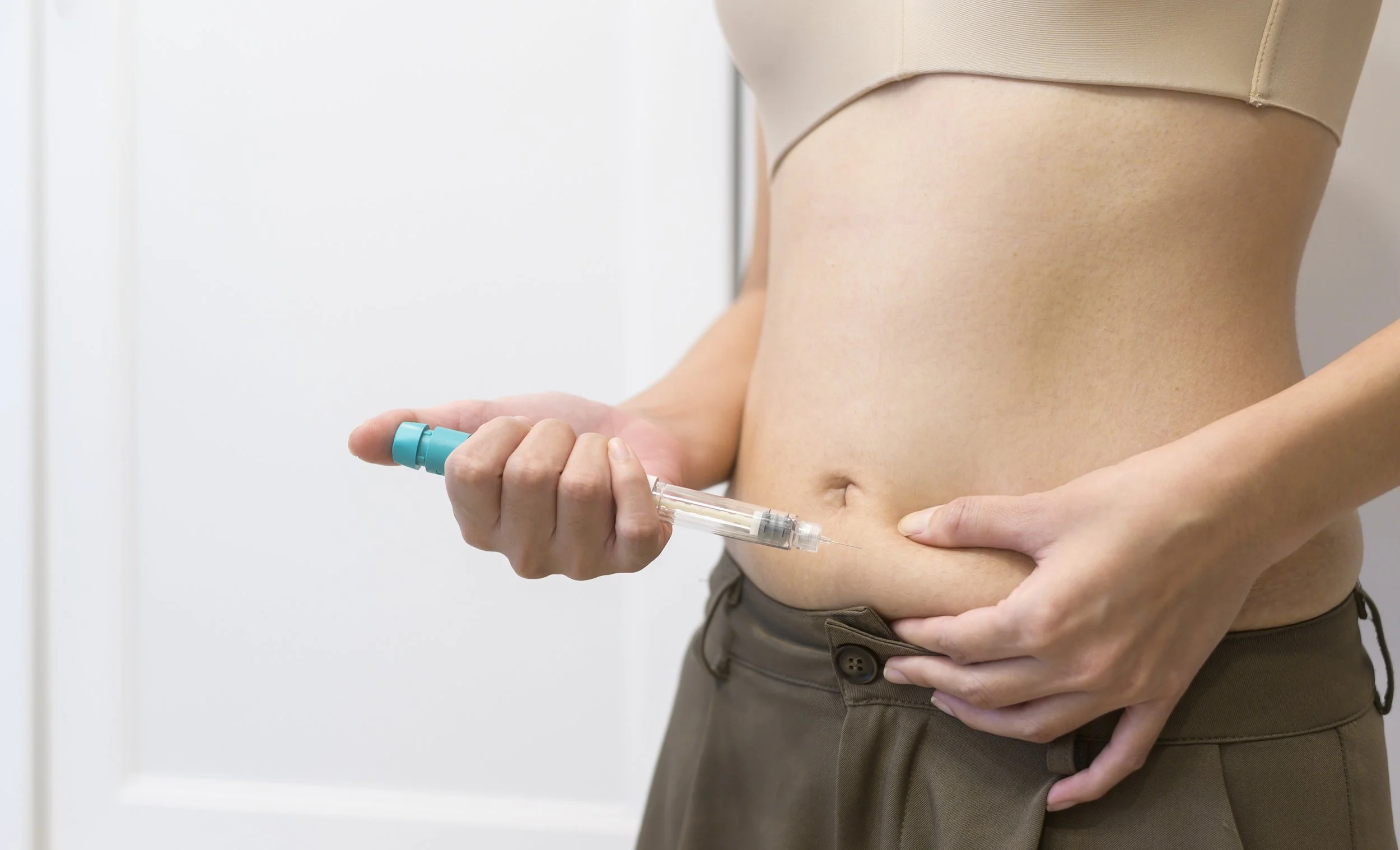
Losing weight can be one of the most challenging health goals to achieve. Many people try diet plans, exercise programs, and lifestyle changes but still struggle with stubborn weight gain or slow progress. Advances in medical science have introduced new treatment options designed to support individuals who need additional help managing their weight safely and effectively.
One of the most talked-about options today is medical fat loss injections, which are often offered as part of a supervised weight management program. These treatments are not a “quick fix,” but when used properly alongside medical guidance, nutrition, and lifestyle adjustments, they can help individuals achieve sustainable results.
This guide explains how these injections work, who they may benefit, and how they fit into a comprehensive weight management approach.
Understanding Medical Fat Loss Injections
Medical fat loss injections are prescription medications administered under the supervision of a healthcare professional. They are designed to support weight loss by influencing hormones related to appetite regulation, metabolism, and blood sugar control.
These treatments are commonly prescribed as part of a medical weight loss program, where healthcare providers evaluate a patient’s health history, lifestyle, and metabolic factors before recommending any treatment.
Research published by the National Institutes of Health shows that medications targeting appetite-regulating hormones can help individuals reduce calorie intake and support long-term weight management when combined with lifestyle changes.
According to findings from the National Institute of Diabetes and Digestive and Kidney Diseases, certain FDA-approved weight loss medications work by:
Reducing hunger signals
Slowing stomach emptying
Improving feelings of fullness after meals
Supporting better blood sugar regulation
When used responsibly and under medical supervision, these treatments may assist individuals who have struggled with weight loss through traditional methods alone.
How Medical Fat Loss Injections Work
To understand the role of medical fat loss injections, it’s helpful to look at how the body regulates hunger and metabolism.
Your body uses hormones such as GLP-1 to signal when you are full. Some medical weight loss injections mimic or enhance these hormones, helping regulate appetite and reduce overeating.
The general process usually includes:
1. Medical Assessment
Before starting treatment, healthcare providers review medical history, medications, lifestyle habits, and metabolic health markers.
2. Personalized Treatment Plan
A customized weight loss plan is created to address individual goals and health conditions.
3. Prescription Injections
Patients receive injections based on the doctor’s recommended dosage schedule.
4. Lifestyle Support
Nutrition guidance, physical activity recommendations, and behavioral coaching help reinforce healthy habits.
5. Regular Monitoring
Progress is evaluated regularly to adjust treatment safely and effectively.
This structured approach ensures that weight loss treatments are not used in isolation but integrated into a comprehensive health strategy.
Who May Benefit from Medical Fat Loss Injections?
These treatments are typically recommended for individuals who meet certain health criteria. They may benefit people who:
Have a Body Mass Index (BMI) of 30 or higher
Have a BMI of 27 or higher with weight-related health conditions
Struggle with persistent weight gain despite lifestyle changes
Need medical support to reduce obesity-related health risks
Organizations such as the Centers for Disease Control and Prevention highlight that excess weight is associated with increased risk of conditions like:
Type 2 diabetes
Heart disease
High blood pressure
Sleep apnea
For some patients, medically supervised treatment options can help reduce these risks by supporting gradual and sustainable weight loss.
Common Misconceptions About Weight Loss Injections
As these treatments grow in popularity, several misconceptions continue to circulate online.
They Are a “Magic Weight Loss Shot”
In reality, injections are only one part of a broader treatment plan. Sustainable results require nutrition, exercise, and lifestyle changes.
Anyone Can Use Them
These treatments are prescription medications, meaning they must be recommended by a qualified healthcare provider.
Weight Loss Happens Instantly
Healthy weight reduction is gradual. Many programs aim for safe weight loss of 1–2 pounds per week, which aligns with guidelines from the Mayo Clinic.
They Replace Healthy Habits
Injections support appetite control but do not replace healthy eating, physical activity, and behavioral change.
Understanding these realities helps patients approach treatment with realistic expectations.
What to Expect from a Medical Weight Loss Program
For individuals considering treatment, it helps to understand the typical journey.
Initial Consultation
A healthcare provider evaluates health history, lifestyle factors, and weight management goals.
Health Testing
Lab work may be recommended to assess hormone levels, metabolism, and metabolic health markers.
Goal Setting
Realistic weight loss goals are established, focusing on long-term health improvements rather than rapid results.
Treatment Plan Development
A physician may recommend medical fat loss injections along with nutrition guidance and activity plans.
Ongoing Support
Patients attend follow-up visits to track progress, address challenges, and adjust treatment if necessary.
Potential Benefits of Medical Weight Loss Treatments
When used appropriately, medically supervised weight loss treatments may offer several benefits:
Improved Appetite Control
Many patients experience reduced cravings and better portion control.
Metabolic Health Support
Weight reduction may help improve insulin sensitivity and cardiovascular health.
Increased Motivation
Seeing measurable progress can help individuals stay committed to healthier habits.
Long-Term Weight Management
Combined with lifestyle strategies, patients may maintain results more effectively.
Possible Side Effects and Considerations
Like any medication, weight loss injections may come with side effects. These can vary depending on the individual and the specific treatment prescribed.
Common side effects may include:
Mild nausea
Digestive discomfort
Fatigue
Temporary appetite changes
Healthcare providers closely monitor patients to ensure safety and make dosage adjustments if needed.
Individuals who are pregnant, breastfeeding, or have certain medical conditions may not be suitable candidates for these treatments. A professional consultation is essential before starting any medical weight loss therapy.
Are Medical Fat Loss Injections Right for You?
Deciding whether to pursue medical weight loss treatment is a personal decision that should be guided by professional medical advice.
You may want to consider speaking with a healthcare provider if:
Traditional weight loss methods have not produced results
Weight is affecting your overall health
You want a structured and medically supervised approach
You are looking for a long-term strategy rather than a temporary diet
A properly designed customized weight loss plan ensures that treatments align with your body’s unique needs, health history, and lifestyle.
The Balanced Approach to Sustainable Weight Loss
While treatments like medical injections are gaining attention, the most effective weight management strategy remains a balanced combination of medical guidance, nutrition, physical activity, and behavioral support.
At The Balanced Life, the goal is not simply short-term weight loss but sustainable health improvements that support long-term wellness.
When used responsibly as part of a physician-guided medical weight loss program, modern treatments can provide valuable support for individuals working toward healthier, more sustainable weight management.
If you’re considering your options, consulting with a qualified healthcare provider can help determine whether medical fat loss injections are an appropriate step toward reaching your health goals.