How Telehealth Is Changing Access to Weight Loss Treatment in the US

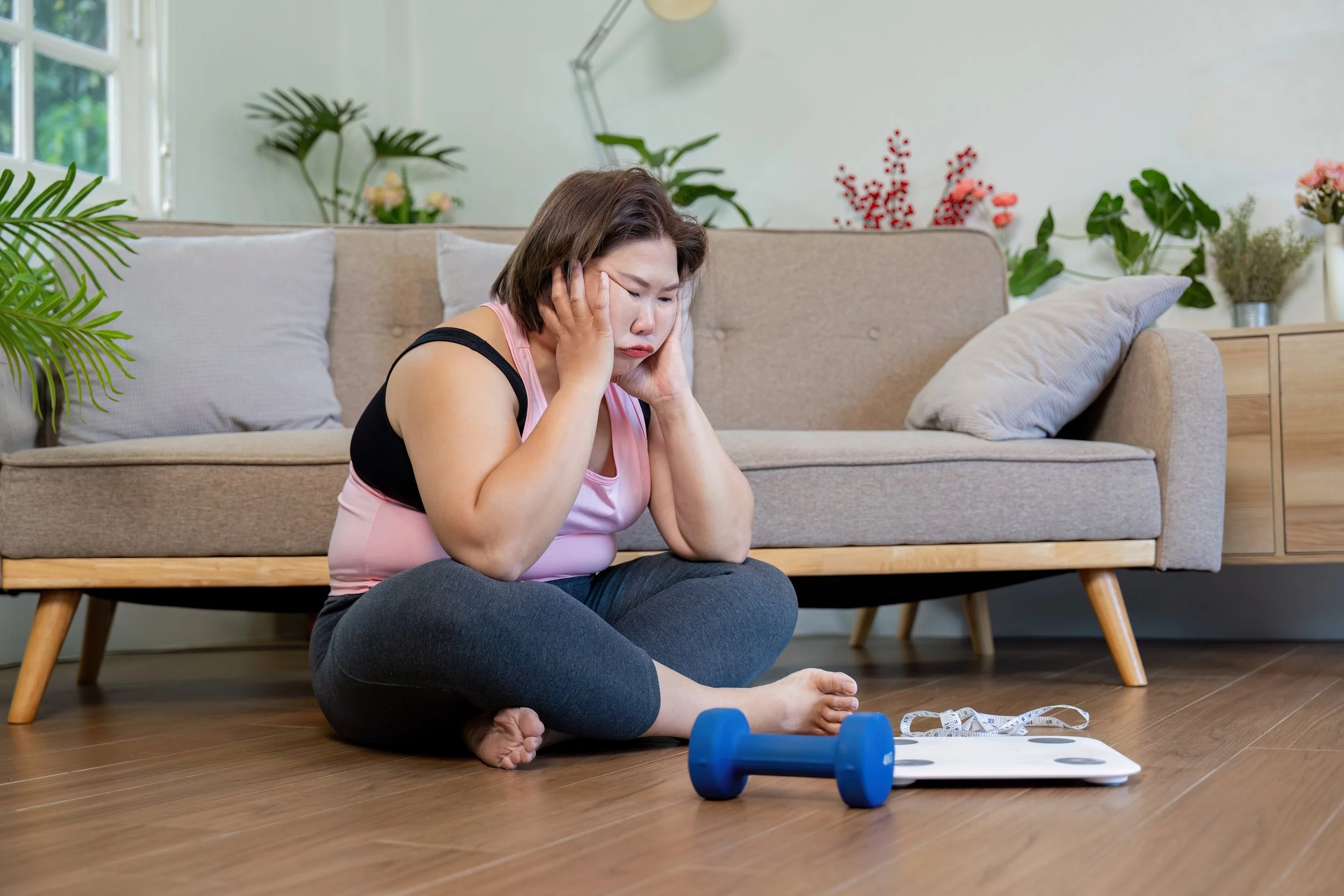
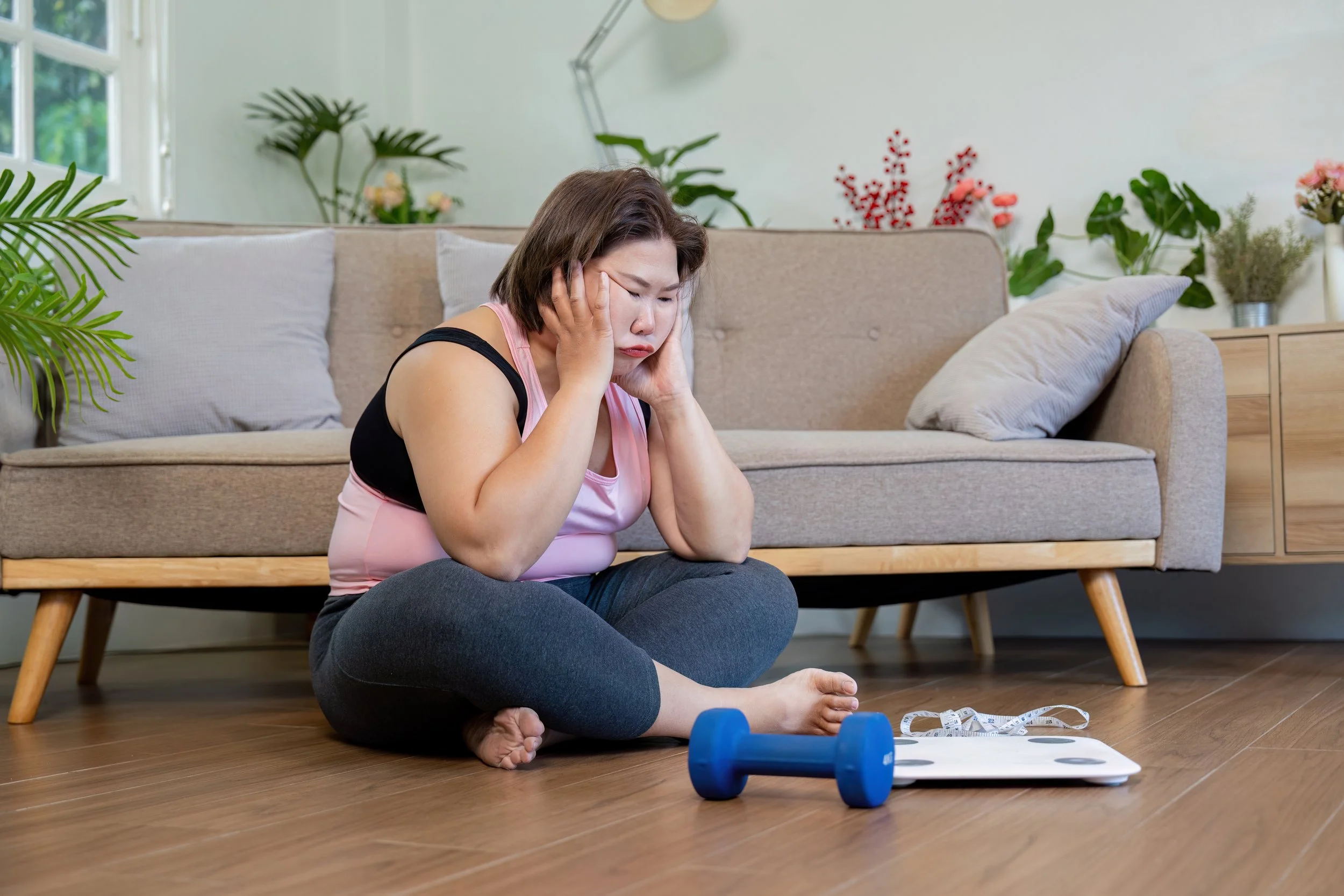
For many Americans, losing weight has never been as simple as eating less and exercising more. Busy schedules, limited access to healthcare providers, long travel times, and inconsistent support often make it difficult to achieve lasting results. Fortunately, telehealth is transforming how people access weight management services, making high-quality care more convenient and effective than ever before.
Today, a medical weight loss program can be accessed from the comfort of home, allowing patients to receive expert guidance, prescription medications when appropriate, and ongoing coaching without frequent office visits. This shift has opened new opportunities for individuals who previously struggled to find specialized care.
As telehealth continues to evolve, more people are discovering that personalized virtual care can help them achieve sustainable weight loss while fitting into their everyday lives.
Why Traditional Weight Loss Care Has Been Challenging
Many people begin their weight loss journey with good intentions but encounter obstacles along the way. Common challenges include:
Limited access to obesity medicine specialists
Long wait times for appointments
Transportation difficulties
Busy work and family schedules
Lack of consistent accountability
One-size-fits-all diet plans
Research has consistently shown that obesity is a complex medical condition influenced by genetics, hormones, metabolism, lifestyle, sleep, and stress. Because of these factors, effective treatment often requires ongoing medical supervision rather than temporary dieting.
A structured medical weight loss program addresses these underlying issues through individualized treatment plans based on each patient's health history and goals.
The Rise of Telehealth for Weight Loss
Telehealth became increasingly popular during the COVID-19 pandemic, but its benefits have extended well beyond that period. Patients quickly realized they could receive high-quality healthcare without spending hours commuting or sitting in waiting rooms.
For weight management, virtual care offers several advantages:
Convenient online appointments
Personalized treatment plans
Digital progress tracking
Easier communication with healthcare providers
Access to prescription medications when medically appropriate
Regular follow-up visits that improve long-term success
Instead of delaying care due to scheduling conflicts, patients can participate in a medical weight loss program from nearly anywhere with an internet connection.
This accessibility helps people stay engaged in treatment and remain committed to their health goals.
How GLP-1 Medications Are Changing Weight Loss
One of the biggest advancements in obesity treatment has been the introduction of GLP-1 medications. These medications mimic naturally occurring hormones that help regulate appetite, improve feelings of fullness, and support healthier blood sugar regulation.
A professionally supervised GLP-1 weight loss program often includes medications such as semaglutide or tirzepatide when appropriate. Clinical studies have shown that these medications can significantly improve weight loss outcomes when combined with healthy lifestyle changes.
However, medication alone is rarely enough.
The most successful GLP-1 weight loss program combines medical supervision with nutrition counseling, physical activity recommendations, behavioral coaching, and regular monitoring. This comprehensive approach helps patients develop healthier habits that continue long after treatment begins.
Telehealth makes it easier for providers to monitor progress, adjust medication dosages when necessary, and answer patient questions throughout the process.
Personalized Care Makes a Difference
No two people experience weight gain for the same reasons. Some struggle because of hormonal changes, while others face metabolic disorders, emotional eating, or medication-related weight gain.
A personalized weight loss transformation program begins with a thorough medical evaluation that considers:
Medical history
Current medications
Lifestyle habits
Nutrition patterns
Physical activity
Sleep quality
Existing health conditions
Using this information, healthcare providers create individualized treatment plans rather than generic diet recommendations.
This personalized strategy increases the likelihood of achieving sustainable weight loss because patients receive recommendations tailored specifically to their needs.
Accountability Leads to Better Results
Many people lose motivation after the first few weeks of a diet. Without ongoing encouragement, it becomes easy to return to old habits.
Telehealth helps solve this problem by creating regular touchpoints between patients and their healthcare team.
During scheduled virtual visits, providers can:
Review progress
Celebrate milestones
Address challenges
Adjust treatment plans
Provide education
Reinforce healthy behaviors
This consistent accountability supports sustainable weight loss by helping patients remain focused even when progress slows.
Research suggests that regular follow-up appointments are associated with improved long-term weight management because patients stay engaged with their treatment plans.
Expanding Access Across the United States
One of telehealth's greatest strengths is its ability to reduce geographic barriers.
People living in rural communities often have limited access to obesity specialists or endocrinologists. Others may work long hours that make traditional office visits difficult.
Virtual healthcare allows patients to connect with qualified providers regardless of where they live, provided services are available in their state.
This expanded access means more Americans can participate in a GLP-1 weight loss program or receive expert guidance without traveling long distances.
For many families, this convenience removes one of the biggest barriers to receiving quality healthcare.
Building Healthy Habits That Last
Quick fixes rarely produce lasting results.
True health improvements come from creating habits that people can realistically maintain over time.
A comprehensive weight loss transformation program focuses on:
Balanced nutrition
Regular physical activity
Better sleep habits
Stress management
Healthy mindset shifts
Medical support when appropriate
These combined strategies help patients develop routines that promote sustainable weight loss rather than temporary success.
Telehealth also allows providers to identify challenges early and make adjustments before small setbacks become major obstacles.
The Balanced Life Approach
At The Balanced Life, patients receive individualized care designed to support both weight loss and overall wellness. Every treatment plan recognizes that successful weight management is about far more than simply reducing calories.
Whether someone is interested in lifestyle coaching, medical supervision, or a professionally managed GLP-1 weight loss program, the goal is to create realistic strategies that fit everyday life.
The Balanced Life emphasizes education, ongoing support, and personalized treatment because lasting health improvements happen through consistent care rather than short-term dieting.
For many patients, this type of comprehensive weight loss transformation program provides the guidance and accountability needed to achieve meaningful results.
The Future of Weight Loss Care
Telehealth is redefining how Americans approach weight management by making expert care more accessible, flexible, and personalized than ever before.
Instead of relying on temporary diets or trying to navigate the process alone, patients can now work closely with experienced healthcare providers through a structured medical weight loss program designed around their individual needs.
As virtual healthcare continues to grow, more people will have access to evidence-based treatments that support sustainable weight loss, including medically supervised GLP-1 weight loss program options and personalized coaching.
For anyone ready to improve their health, telehealth offers a convenient path toward lasting change. With expert guidance, ongoing accountability, and individualized care from providers like The Balanced Life, achieving a healthier future through a comprehensive weight loss transformation program is more accessible than ever before.