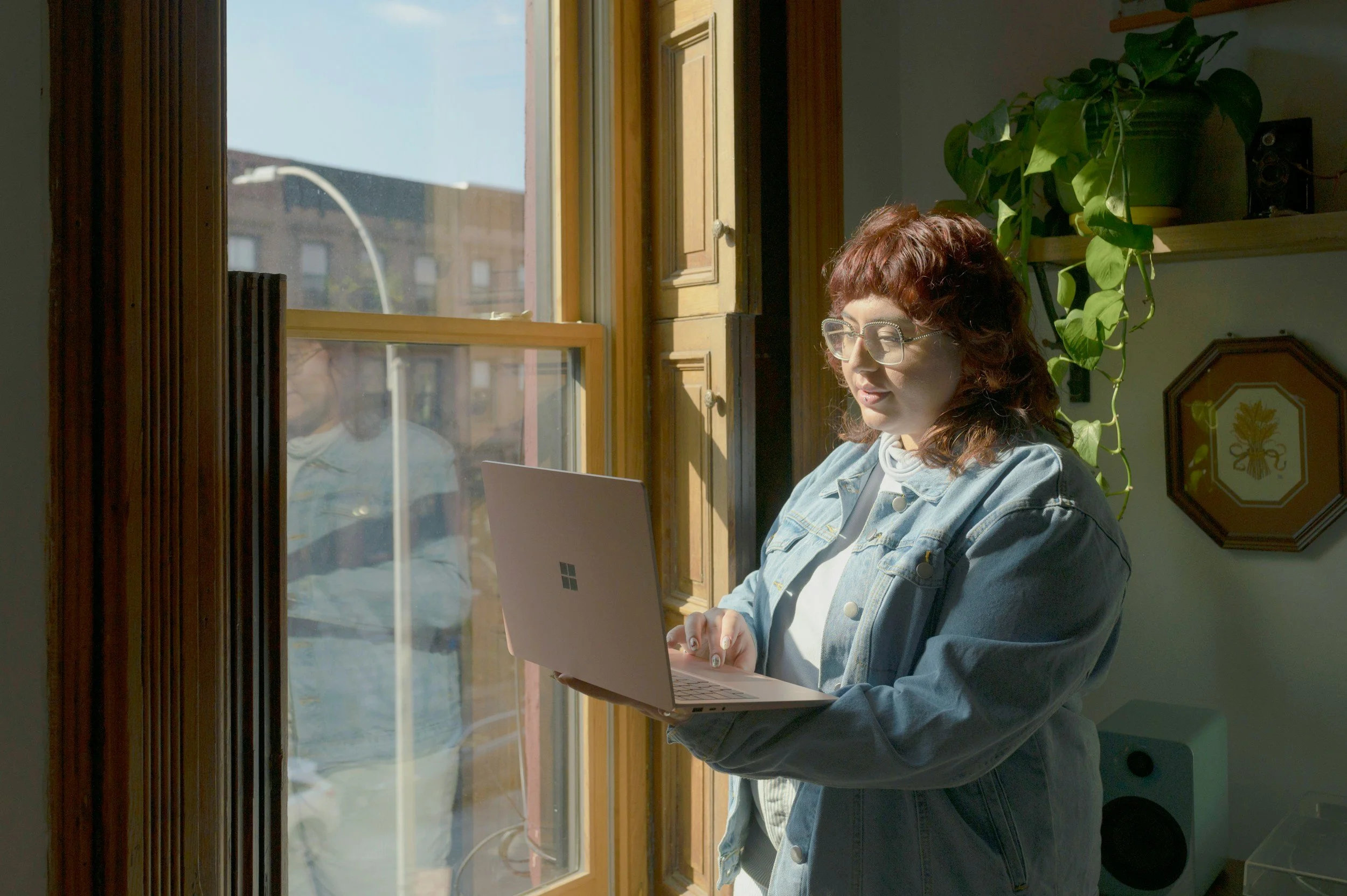
Remote Prescriptions and Telehealth Urgent Care: Refill Your Medications Online Safely

Access to healthcare is evolving and for many patients, that evolution means convenience, speed, and safety. Whether you're managing a chronic condition, traveling, or simply unable to visit a clinic in person, remote prescriptions and telehealth urgent care services offer a reliable path to continued treatment.
This comprehensive guide from The Balanced Life walks you step by step through how to refill medications online safely, avoid common pitfalls, and make informed decisions about your health.
How to Get a Medication Refill Through Telehealth
Determine If Your Medication Qualifies
Not all prescriptions can be refilled remotely. Telehealth providers typically handle:
Maintenance medications (blood pressure, thyroid, cholesterol)
Certain mental health medications
Non-controlled short-term prescriptions
Birth control
Mild infection treatments
Controlled substances may require stricter regulations depending on federal and state laws. According to the U.S. Drug Enforcement Administration, prescribing controlled medications via telehealth must comply with federal guidelines.
Choose a Reputable Telehealth Provider
Look for platforms that:
Use licensed providers
Offer HIPAA-compliant systems
Clearly explain pricing
Provide pharmacy coordination
The U.S. Department of Health & Human Services provides guidance on identifying legitimate telehealth services and protecting patient privacy.
When selecting a provider for an telehealth urgent care, ensure they clearly state their licensing information and prescribing authority.
Schedule an Urgent Care Online Visit
An urgent care online visit typically involves:
Completing an intake form
Uploading ID (if required)
Listing medications and medical history
Video or phone consultation with a provider
During the consultation, the clinician will assess your condition, confirm medication history, and determine whether a refill is medically appropriate.
Research from the American Medical Association supports telehealth as a safe and effective method for many non-emergency healthcare needs.
Pharmacy Coordination
After approval:
Your prescription is electronically sent to your pharmacy.
You may choose local pickup or mail delivery.
Some platforms partner with nationwide pharmacies for faster processing.
This process allows for an urgent care prescription refillwithout the need for in-person waiting rooms.
Follow-Up & Monitoring
Responsible telehealth providers schedule follow-ups when needed, especially for:
Chronic disease management
Hormone therapy
Mental health medications
The Centers for Disease Control and Prevention emphasizes continuity of care as critical for long-term health outcomes.
Common Challenges & How to Solve Them
Challenge 1: Prescription Denial Prescription denial is one of the most common frustrations patients experience during a telehealth visit. This can happen for several reasons, including incomplete medical records, expired prescriptions, or medications that require updated laboratory testing before renewal. In some cases, providers may also need additional clarification about your current symptoms or treatment response. To prevent delays, upload recent medical documentation before your appointment, keep a digital copy of relevant lab results, and be fully transparent about any changes in your condition. Clear communication and proper documentation significantly increase the likelihood of a smooth and timely refill approval.
Challenge 2: Delays in Pharmacy Processing Even after your prescription is approved, delays can occur at the pharmacy level. These issues may stem from incorrect pharmacy details, high prescription volumes, insurance verification problems, or system transmission errors. To reduce the risk of processing delays, confirm your preferred pharmacy’s name, address, and contact number before ending your telehealth appointment. After your consultation, consider calling the pharmacy to verify they received the electronic prescription. Many pharmacies also offer digital alerts or text notifications, so enrolling in these services can help you track your medication status and avoid unnecessary waiting.
Challenge 3: Confusion About Legality Telehealth prescribing regulations have evolved rapidly, particularly following public health emergencies, which has led to confusion among patients. Laws governing remote prescriptions can vary depending on medication type and state regulations. According to the U.S. Food and Drug Administration, patients should confirm that online pharmacies are properly licensed and accredited before filling prescriptions. Additionally, certification from recognized organizations such as the National Association of Boards of Pharmacy provides another layer of assurance. Taking these verification steps helps ensure that your medication source is legitimate, compliant, and safe.
Debunking Common Myths About Online Prescription Refills
Myth #1: Telehealth Isn’t Safe
Reality: Studies published by institutions like National Institutes of Health show telehealth can provide outcomes comparable to in-person visits for many conditions.
Myth #2: Doctors Prescribe Without Evaluation
Reality: Licensed clinicians must follow the same standard of care whether online or in person. Proper documentation, symptom review, and clinical decision-making are still required.
Myth #3: It’s Only for Minor Illnesses
While telehealth isn’t for emergencies, it is highly effective for medication management, chronic condition monitoring, and routine refill assessments.
Data-Driven Insight Why Telehealth Is Growing
According to data from the Centers for Medicare & Medicaid Services, telehealth utilization increased dramatically over recent years and remains significantly higher than pre-pandemic levels.
Key drivers include:
Reduced travel time
Faster appointment availability
Improved access in rural areas
Lower overall visit costs
This growth reflects patient trust in services like telehealth urgent care, particularly for medication management.
Comparing In-Person Urgent Care vs. Telehealth
When comparing traditional in-person urgent care with telehealth services, the differences often come down to convenience, speed, and accessibility. In-person urgent care visits typically involve wait times ranging from one to two hours, while telehealth appointments are often completed in under 30 minutes from login to consultation. Exposure risk is another important factor physical clinics may expose patients to other illnesses in waiting rooms, whereas telehealth eliminates that concern entirely. Travel is required for in-person visits, which can be inconvenient for busy professionals, parents, or individuals with limited mobility, while telehealth allows you to connect with a provider from home or work. Prescription processing can also be faster with telehealth, as many platforms send electronic prescriptions immediately to your chosen pharmacy. Cost structures vary for in-person care depending on insurance and facility fees, while telehealth providers frequently offer more transparent, upfront pricing. For straightforward refill needs, anurgent care online visit may be the more efficient and practical option.
Safety Checklist Before Requesting an Urgent Care Prescription Refill
Before booking:
Confirm medication name and dosage Know your last refill date Have pharmacy contact information Upload relevant lab results Verify provider credentials
Avoid:
Websites offering prescriptions without consultationDeeply discounted medications without verificationPlatforms that avoid identity confirmation
Expert Perspective The Future of Remote Prescriptions
Healthcare is shifting toward hybrid models combining digital convenience with traditional clinical oversight.
Over the next 5–10 years, we expect:
Enhanced digital identity verification
Integrated wearable health data for monitoring
Faster cross-state licensing for providers
AI-supported medication adherence tracking
However, patient responsibility remains central. Technology improves access but informed decision-making ensures safety.
Remote Prescriptions & Telehealth Urgent Care
Is telehealth appropriate for antibiotics? Yes, if clinically justified after evaluation.
Can controlled substances be prescribed online? Sometimes, depending on regulations and provider compliance with federal rules.
Is insurance accepted? Many providers accept insurance; others offer flat-rate pricing.
What if my refill is denied? Ask for clarification and schedule follow-up labs or in-person evaluation if needed.
Final Thoughts: Safe, Convenient, and Responsible Care
Remote prescriptions are not about replacing traditional medicine, they are about expanding safe access. With proper screening, licensed providers, and verified pharmacies, patients can maintain treatment plans without interruption.
At The Balanced Life, we believe healthcare should adapt to your schedule while maintaining clinical integrity. When used responsibly, telehealth urgent care and urgent care prescription refill services offer a modern solution grounded in safety, compliance, and patient-centered care.
If you need a convenient urgent care online visit, choose a provider that values transparency, credentialed professionals, and continuity of care because your health deserves nothing less.